

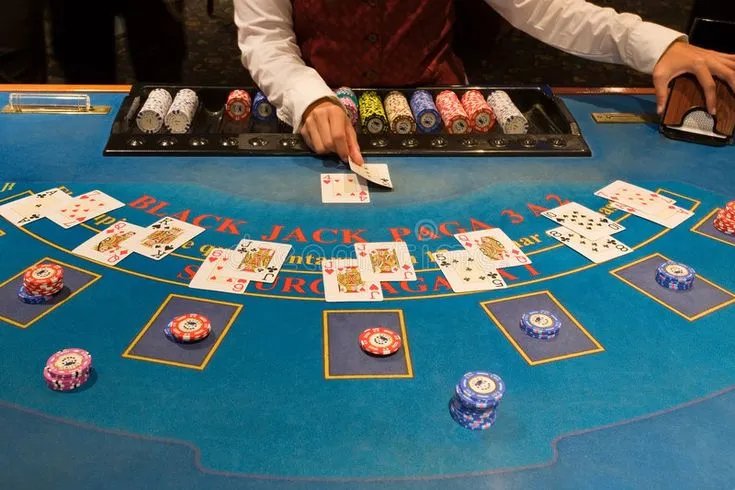
Live blackjack depends on more than the dealer and the cards visible on screen. Someone browsing a Live Casino Online Malaysia section may notice that one table uses a traditional multi-deck shoe while another appears to reshuffle more frequently or uses automated card-handling equipment. These differences affect the pace and organization of the game, but they do not change the basic objective of blackjack. Understanding how shoes, cut cards, discard trays, and continuous shuffling systems work helps explain why card preparation can vary from one live table to another.
Traditional Multi-Deck Shoes
Many live blackjack tables use several decks combined in one shoe. The dealer draws cards from the front of the shoe and places used cards into a discard tray after each round.
This format allows multiple rounds to be played before the cards need to be collected and reshuffled. The exact number of decks depends on the table rules, so users should check the game information rather than assuming every blackjack stream uses the same setup.
The Purpose of the Cut Card
A cut card is inserted into the shoe to indicate when the current set of decks is approaching the point where a reshuffle should occur. It helps staff manage the shoe consistently.
The cut card does not identify which cards remain or signal that a particular result is due. Once it appears, the dealer normally finishes the appropriate round and prepares for the next shuffle according to the provider’s procedure.
Discard Trays Keep Cards Organized
Used cards are typically placed in a discard tray so they remain separate from cards that have not yet been dealt. This makes the current shoe easier to manage and helps preserve a clear table procedure.
Someone exploring a Malaysia Online Live Casino platform may see the tray beside the dealer even though the camera focuses mainly on the active hand. Its purpose is operational: it keeps completed cards organized until the next reshuffle.
Continuous Shuffling Machines
Some blackjack tables use a continuous shuffling machine, often shortened to CSM. Instead of waiting until most of a shoe has been dealt, used cards can be returned to a machine that continually mixes them back into the available card supply.
This can reduce long reshuffle breaks and keep the game moving. It also means the table does not follow the same shoe cycle as a traditional setup with a fixed cut-card stopping point.
Automatic Shufflers Are Different
An automatic shuffler is not always the same as a continuous shuffler. Some tables use a machine simply to shuffle a complete set of cards between shoes while another prepared shoe is in play.
This approach can shorten downtime without continuously returning used cards during the active shoe. The difference matters because the two systems manage card circulation in different ways even though both involve automated equipment.
Shuffling Changes Pace, Not Strategy
Card-handling technology can influence how quickly a table moves. A pre-shuffled shoe or automated machine may reduce the time spent waiting for cards to be prepared.
However, a faster reshuffle does not make a hand more favorable. The blackjack rules, payout structure, dealer procedures, and player decisions still determine how each round operates. Equipment affects workflow rather than creating a predictable sequence.
Watch for Table-Specific Rules
Two blackjack tables can use different card-handling systems while also differing in deck count, soft-17 rules, doubling conditions, or blackjack payouts. These features should be reviewed separately.
The presence of a traditional shoe does not automatically imply one rule set, and a continuous shuffler does not define the payout table. The game information remains the best source for understanding the full conditions of a particular table.
Card History Is Not a Forecast
Seeing several low cards or high cards in recent rounds can encourage users to look for patterns in the remaining shoe. That visual history does not guarantee what will appear next.
Shuffling procedures are designed to randomize card order, while continuous systems can mix used cards back into circulation. Recent hands are useful as records of completed play, not as a reliable method for forecasting future cards.
Conclusion
Live blackjack tables can use traditional multi-deck shoes, cut cards, discard trays, automatic shufflers, or continuous shuffling machines to manage cards efficiently. Each system supports a slightly different operating rhythm, especially when it comes to when reshuffles occur and how long the table pauses between shoes.
These procedures affect organization and pace rather than the basic objective or certainty of the game. Checking the table rules, understanding the card-handling method, and keeping spending within predetermined limits provides more useful context than trying to interpret recent cards as a prediction system.