


Does Thai Foot Massage Hurt?
What to Expect During Reflexology
What does Thai foot massage actually feel like?
If you’re wondering, does Thai foot massage hurt? The simple answer is: not really, but it can feel strong in certain areas. The sensation depends on your body condition, pain tolerance, and muscle tightness.
Thai foot massage uses targeted pressure on reflex points in your feet. Some spots may feel tender, especially if your body has built-up tension. However, that slight discomfort often turns into relief as your muscles relax.
Most clients describe it as a “good pain” — the kind that feels like it’s doing something beneficial inside your body.
Why can some areas feel more sensitive?
During a session, therapists focus on specific reflex zones linked to different organs and systems. This is where people often ask again, does Thai foot massage hurt, especially when pressure is applied to sensitive points.
In Thai Foot Reflexology, these sensitive areas may indicate tension or imbalance in the body. That’s why certain spots feel sharper than others.
But don’t worry — a trained therapist always adjusts pressure based on your comfort level. Communication is key, and you are always in control of the experience.
Is it normal to feel pain during reflexology?
Many first-time clients wonder whether a foot massage is painful or just relaxing. The truth is, it can be both — but only slightly.
Here’s what’s normal during your session:
- Mild discomfort in tight or blocked areas
- A warm, tingling sensation in the feet
- Gradual relaxation as the session continues
- Relief after pressure is released
If the pain ever feels too strong, you should tell your therapist immediately. Reflexology should never feel overwhelming.
What causes that “good pain” sensation?
The pressure used in reflexology works deep into the tissues, similar to a pressure point massage. This helps release tension and improve energy flow throughout your body.
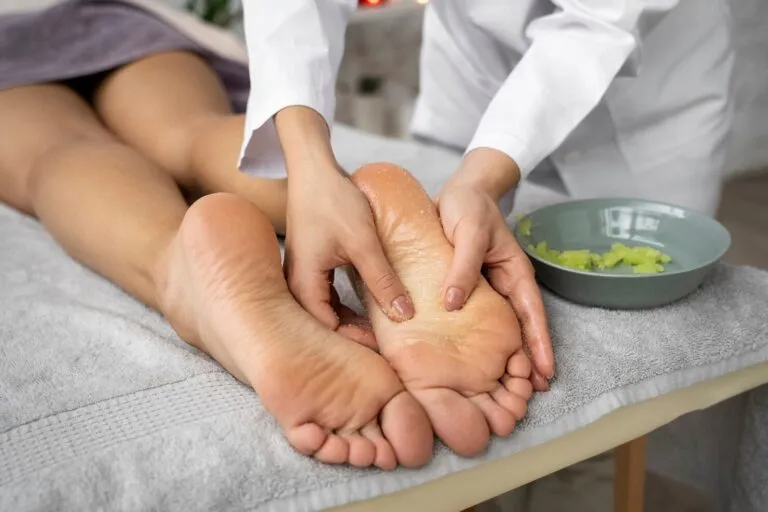
You may feel:
- Tightness breaking down under pressure
- Slight soreness in specific reflex points
- A release of built-up stress
This is your body responding to the therapy. Over time, these sensitive spots become less painful as your body heals.
Can Thai foot massage help with muscle tension?
Yes, and it’s surprisingly effective. Many people don’t realize that foot reflexology can act as the best massage for muscle knots in certain cases.
Even though the focus is on your feet, the therapy stimulates nerves connected to different parts of your body. This can help:
- Reduce overall muscle stiffness
- Improve circulation
- Ease tension in the legs and back
It’s a great complementary option if you’re already exploring treatments like deep tissue massage for full-body relief.
What are the real benefits of Thai reflexology?
Beyond the question of comfort, many clients come for the long-term results. The Thai foot reflexology benefits go far beyond simple relaxation.
Some key benefits include:
- Improved blood circulation
- Reduced stress and anxiety
- Better sleep quality
- Relief from foot fatigue
- Enhanced overall energy levels
Over time, regular sessions can help your body feel more balanced and refreshed.
What should you expect during your first session?
If you’ve never tried reflexology before, knowing what to expect can ease your nerves.
Here’s how a typical session at Mali Healing Spa NYC goes:
- You’ll sit or lie comfortably in a relaxing environment
- Your feet will be cleaned and prepared
- The therapist will begin with gentle strokes
- Pressure will gradually increase on the reflex points
- The session ends with soothing movements
Trying a Thai foot massage NYC for the first time is often eye-opening. Most people leave feeling lighter and more relaxed than they expected.
How can you reduce discomfort during the massage?
If you’re worried about pain, there are simple ways to make your session more comfortable.
Follow these tips:
- Communicate your comfort level clearly
- Start with lighter pressure if you’re new
- Stay relaxed and breathe deeply
- Avoid tensing your muscles
- Drink water before and after your session
Your comfort matters, and a good therapist will always adjust based on your feedback.
Where can you get the best reflexology experience?
Choosing the right place makes a big difference in how your session feels.
At Mali Healing Spa NYC, we are known for providing the Best foot reflexology Midtown Manhattan experience with trained professionals who understand how to balance pressure and comfort.
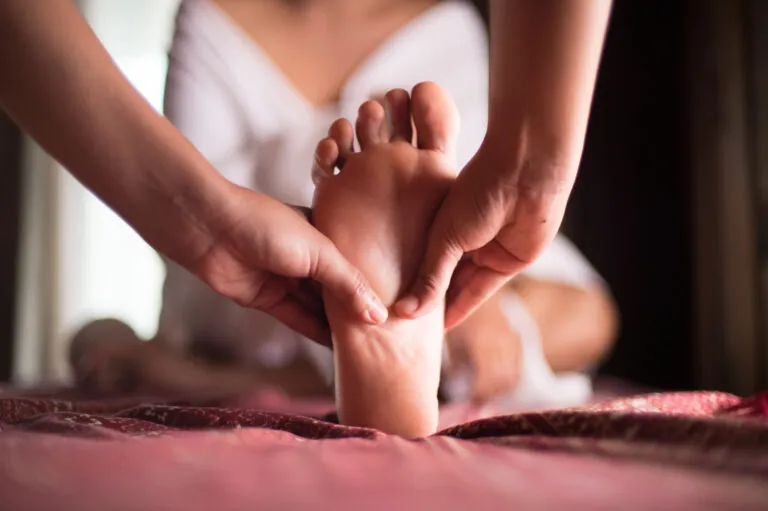
Our approach focuses on:
- Personalized pressure levels
- Clean and calming environment
- Experienced therapists
- A focus on both relaxation and healing
This ensures you get all the benefits without unnecessary discomfort.
Does everyone experience the same level of pressure?
Not at all. Everybodyis different.
Factors that affect your experience include:
- Your pain tolerance
- Muscle tightness
- Stress levels
- Previous massage experience
- Overall health condition
Some people feel almost no discomfort, while others may notice more sensitivity. Both are completely normal.
How does your body feel after the session?
After your massage, you’ll likely notice:
- Deep relaxation
- Reduced foot soreness
- Improved mood
- Better sleep later that night
Some people may feel slight soreness, but it usually fades quickly and is a sign your body is adjusting.
What should you do after a Thai foot massage?
To get the most out of your session:
- Drink plenty of water
- Avoid heavy workouts immediately after
- Rest and let your body recover
- Stretch gently if needed
These small steps help your body fully absorb the benefits of reflexology.
So, should you be worried about pain?
The idea that reflexology is painful often scares people away, but the truth is much more balanced.
Thai foot massage is designed to heal, not hurt. Any discomfort you feel is temporary and usually leads to long-term relief.
Ready to experience it yourself?
If you’ve been asking yourself does Thai foot massage hurt, the best way to find out is to try it with a trained professional. At Mali Healing Spa NYC, we focus on creating a relaxing and personalized foot therapy experience that balances comfort with real results.
Key Takeaways:
- Thai foot massage may feel intense, but it should never be painful
- Mild discomfort often means tension is being released
- Communication with your therapist ensures a comfortable experience
- Reflexology offers both relaxation and therapeutic benefits
- Regular sessions can reduce sensitivity over time
Frequently Asked Questions:
1. Does Thai foot massage hurt more than a regular massage?
No, it’s different. It focuses on pressure points, which may feel stronger but not necessarily more painful.
2. How long does discomfort last during reflexology?
Discomfort is usually brief and fades quickly as your muscles begin to relax.
3. Can beginners handle Thai foot massage?
Yes, therapists adjust pressure for beginners, making it comfortable and easy to enjoy.
4. Is reflexology safe for everyone?
Most people can safely enjoy it, but consult a doctor if you have serious medical conditions.
5. How often should I get a Thai foot massage?
Once or twice a month is ideal for maintaining relaxation and overall wellness.