

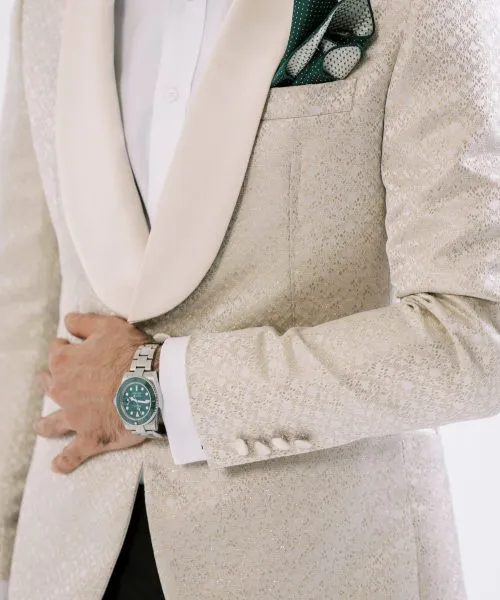
Choosing a tailor is an important step when you want clothing that feels personal, and fits properly. Many tailors may offer similar services, but their approach to measurements, fabrics, fittings, and construction can be quite different. The right choice should depend on more than appearance or price. bespoke mens tailors should be able to understand your requirements, explain the process clearly and create a garment around your proportions. Knowing what to check before ordering can make the entire experience more comfortable.
Understand How the Tailor Approaches Fit
One of the first things that you should discuss with a tailor is fit. A good fitting process should take into account the shoulder, chest, waist, arm, posturing and proportions rather than a standard size.
Inquire about how they take the measurements and if the tailor takes into consideration how you move. Comfort requirements for a suit that is worn on business are likely to differ from those for an occasional suit for formal occasions.
Listen for the tailor’s attention to your preferences. Any preferences regarding extra room in the trousers or a specific shape of jacket should be discussed. The aim is to achieve a balanced fit, which is comfortable and looks natural.
Ask About the Suit-Making Process
Knowing how this product is created can provide you with a lot of information about the service you’re considering. Inquire about what occurs after the measurements are taken, as well as the way the garment is created.
The typical process of a professional involves initial consultation, fabric choice, measurements, garment construction, fitting, adjustments and final inspection. It depends on the process, but it’s good to inquire about what occurs at each step.
Knowledge of fittings and how they are handled is also necessary. Include clear explanations at the start of the activity to avoid confusion later on.
Examine the Fabric Choices
The type of fabric must be consistent with the design of the suit. The responsibility of a tailor shouldn’t make the choice too difficult, especially when it comes to understanding the various weights, textures, drapes, breathability and durability.
Consider the typical environment you will use it in and how often you will want to wear the item. A person who has to wear a suit for everyday business purposes might wish to obtain a fabric which can be worn for a variety of events. Many people who order formal wear for special occasions might have other priorities.
Do not feel pressured to select the most expensive material. The better choice is the fabric that suits your climate, wardrobe, comfort preferences, and intended use.
Look at Personalization Options
A custom garment should allow you to make meaningful design decisions. Depending on the tailor, these may include lapel style, pocket configuration, buttons, vents, trouser shape, lining, and other finishing details.
The important question is whether those choices are being made with your overall style in mind. Too many details can make a suit harder to coordinate, while thoughtful personalization can make it feel distinctive without becoming impractical.
Ask the tailor what they think would be best to use in the application for which you are using them. They can be much more useful in helping you understand the “why” behind different alternatives than providing a long list of options.
Pay Attention to Communication
Communication can be crucial in a custom-fit experience. It is OK to say what you want and ask questions if it’s not clear.
At the consultation, see if the bespoke tailor inquires about your lifestyle, occasions, wardrobe and your preferences. These are details that can be used to create the finished garment better than the measurements.
Communication is important, too, during fittings. If it is not the way you imagined, or uncomfortable in some way, speak up about it quickly. Usually problems are more easily resolved when they’re discovered at the fitting stage.
Ask the Right Questions Before Ordering
Know what questions to ask of the service prior to signing up. Learn how many fittings are typical and what would transpire if adjustments are required, and how long the entire process normally takes.
It is also possible to enquire whether alterations are available and how the final decision on alterations is made. Before ordering for a certain event, discuss the time frame first.
This is not just to avoid any surprises. They allow you to see if the tailor’s method is in line with your needs and timeline.
Choose Based on the Complete Experience
Not all the best tailor is the ones with the most variety in fabric and the lowest price. Take a close look at the entire process from consultation, to measuring, to communicating, to fabric advice, to building, to fitting.
Strong Bespoke Suit Tailoring Services should make the process understandable rather than overwhelming. You should know what decisions you are making and why those decisions matter.
A tailor who takes time to understand your needs can help you create a suit that works beyond one particular occasion. That practical relationship can become especially valuable when you eventually want additional garments.
Conclusion
When choosing the right tailor, you should take more than a glance at the pictures. Think about the nature of the consultation, the process of measuring, the guidance on fabric, personalization, communication and the fitting process. Make sure that you ask simple questions before placing an order that can help you understand if the service is in line with your expectations. If done well, a thoughtful tailoring process will make you feel good about the garment and the process you went through. With the right preparation, trutailorcocustomsuits.com can be a helpful resource for more information on custom tailoring and a consultation.