

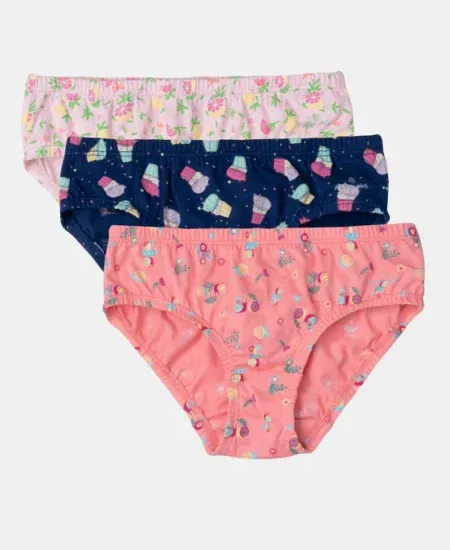
Children’s innerwear needs to do more than simply fit. It should support daily movement, feel comfortable for long hours, and work well under school uniforms, casual clothes, sleepwear, and activity wear. Parents searching for kids cotton underwear india should focus on practical details such as fabric feel, waistband comfort, coverage, and sizing rather than choosing only by colour or print. A thoughtful selection can make dressing easier and help children stay comfortable throughout the day.
Start With Everyday Comfort
Children spend much of the day moving, sitting, playing, and changing positions. Innerwear that feels fine for a few minutes may become irritating after several hours if it is too tight, too loose, or made from fabric that feels rough against the skin.
A comfortable pair should stay in place without digging into the waist or legs. Soft seams, flexible waistbands, and enough room for normal movement are useful features for everyday wear. The goal is not to create a very tight fit, but to choose a secure one that allows children to move naturally.
Choose Fabric With the Climate in Mind
Warm weather can make breathability especially important. Cotton and cotton-rich fabrics are commonly preferred for everyday children’s innerwear because they can feel soft and comfortable against the skin. Stretch fibres may also be included to help the garment move with the body and retain its shape.
Parents should also think about how the fabric feels after washing. Innerwear is cleaned frequently, so materials that remain comfortable after repeated use can be more practical than delicate options that require complicated care.
Check the Fit Instead of Buying Too Large
It can be tempting to buy a much larger size so a child can “grow into it,” but excessive looseness may cause bunching beneath clothing. Innerwear that is too small can create pressure at the waistband or leg openings.
Use current waist or hip measurements where sizing guidance is available. A little growing room can be sensible, but the garment should still sit properly on the body. Because children grow quickly, checking fit periodically is more useful than relying on the same labelled size for a long time.
Consider Different Needs for Girls
When looking for girls innerwear online india, parents should consider age, clothing style, activity level, and the child’s comfort preferences. Everyday briefs may work under school uniforms and casual clothing, while different cuts can suit leggings, dresses, or sleepwear.
As children grow, preferences may also change. Some may want fuller coverage, softer waistbands, or designs that feel less noticeable beneath fitted clothes. Older children may benefit from being involved in choosing styles and sizes so they can communicate what feels comfortable.
Think About School and Activity Days
School days often involve long periods of sitting followed by walking, sports, or playground activity. Innerwear for these days should be simple, secure, and comfortable enough to stay in place without repeated adjustment.
For sports or dance, flexibility becomes even more important. Garments should not restrict leg movement or create bulky folds beneath active clothing. Keeping separate options for regular school days, sports, and relaxed home wear can make a child’s wardrobe more practical.
Build a Useful Weekly Rotation
Children usually need enough innerwear to cover school days, weekends, sports, and unexpected clothing changes. A sensible rotation reduces the need to rush washing and ensures clean pairs are readily available.
Rather than buying many identical pieces immediately, parents can first test a smaller number in a suitable style and size. If the fit remains comfortable after wear and washing, additional pairs can be added. This approach can be especially helpful when a child is between sizes or growing quickly.
Pay Attention to Washing and Replacement
Children’s innerwear is washed frequently, so following the garment’s care instructions can help maintain fabric softness and waistband elasticity. Excessive heat or harsh treatment may shorten the useful life of stretch materials.
Replace pieces when waistbands become loose, fabric thins, seams become uncomfortable, or the garment no longer fits correctly. Regular fit checks are especially important during growth spurts.
Conclusion
Choosing children’s innerwear is mainly about comfort, movement, fit, and everyday practicality. Breathable fabrics, flexible waistbands, suitable coverage, and accurate sizing can make a noticeable difference during school, play, and rest. Parents can build a better collection by choosing garments for different routines, checking fit as children grow, and replacing worn or outgrown pieces when needed. A simple, well-planned innerwear rotation can make everyday dressing easier for both children and parents.